





Why Betbeast Casino App matters for daily play
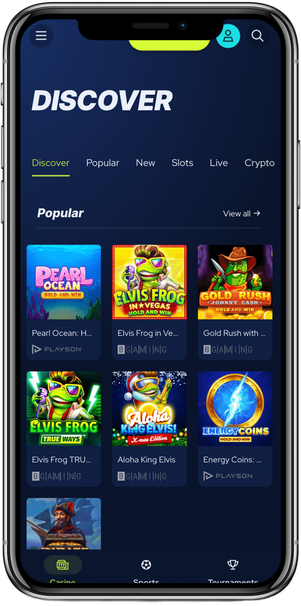
A mobile format is no longer a side option. In 2026, most people check their account, top up, and open a few games in small gaps between other things. The real value is not decoration. It is how little effort the platform asks from the player when the session starts.
Imagine getting home after work and opening the account before dinner. You do not want crowded menus, tiny text, or extra steps just to find the cashier. Most players stay longer when the important actions feel obvious from the first tap.
Phone play also changes behavior. Sessions become shorter, more selective, and easier to interrupt. That means the layout has to respect real life: open quickly, make the balance visible, and let the player leave without feeling lost when they return later.
What changes during short sessions
Short sessions make people choose faster. On desktop, some players browse endlessly. On a phone, they usually want a shorter path: open the lobby, check recent titles, play one or two games, and stop. Clean navigation matters more than flashy extras.
Picture a lunch break with twenty minutes available. If half of that time goes into searching for account tools, the session already feels worse than it should. Usually players prefer a setup that removes extra decisions and keeps the essential sections close.
How Betbeast Casino Mobile fits real routines
Mobile access works only when it matches how adults actually use their phones. They switch between apps, answer messages, come back, and expect the session to still make sense. A solid phone experience should support that stop-and-start rhythm without turning every pause into a problem.
If you play in short windows, consistency matters more than novelty. The same account area should be easy to reach every time. Balance, cashier, withdrawal request, and support should feel connected. Most players do not think in platform architecture. They think in tasks.
There is also a simple choice between using a browser version and using a more app-like return path. Some people do not want anything extra on the device. Others like having a direct icon because it feels quicker. The better option depends on storage, habits, and how often you come back during the week.
Imagine leaving the house, losing signal for a moment, and reopening the session later on mobile data. Usually weak mobile products start to annoy people right there. A better setup helps the player return to the important action without confusion.
Where phone play feels better than desktop
Phone play often wins on friction. The device is already in your hand, logging in can feel quicker, and short sessions make more sense on a smaller screen. That does not mean mobile is always superior. It means it often fits everyday use better.
Think of a player lying on the sofa and opening the account with one hand. The goal is simple: confirm the balance, choose something familiar, maybe check a promotion, then move on. In that moment, clarity beats complexity every time.
Registration and first deposit without rush

The first session usually decides whether the player comes back. If account opening feels messy, interest disappears quickly. A calmer approach works better: create the profile, fill in the core details carefully, confirm the account when required, review payment methods, and only then move into the lobby.
Imagine creating an account late in the evening and typing fast on a phone keyboard. It is easy to mix up an email address or skip one small field. Usually the best approach is boring on purpose: read each step once, submit accurate information, and keep confirmation details in case you need them later.
For deposits, the useful question is not only "What method is available?" but also "What method fits how I play?" Some people want a quick top-up for a short session. Others want a method that is easier to track afterward inside their banking history. Convenience matters, but so does visibility.
Players in Canada often judge the whole platform by this moment. Can funds be added without digging through menus? Is the cashier readable on a small screen? Can you see pending activity without guessing? Those are practical checks, not technical trivia.
What usually happens during account checks
Verification becomes important the moment a player wants money back. As a rule, it is smarter to expect some level of identity or account review and treat it like a normal part of real-money play. That means checking what is requested and making sure personal details and payment details match.
Picture someone enjoying several sessions and only looking at account checks when trying to cash out before the weekend. That is where stress usually begins. The calmer option is to handle requested checks earlier, on a day when nothing feels urgent.
Games, bankroll pace, and session control
Once the account is ready, the next real question is not "What looks brightest?" but "What kind of session do I want?" Players who answer that first usually enjoy their time more. Some want ten quiet minutes. Some want slower table play. Some just want a short list of favorites they can return to without rethinking everything.
Imagine opening the lobby after a tiring day and jumping between categories every few seconds. That usually creates a restless session. A better move is to choose a game type first, decide how long the session should last, and keep the budget small enough that each decision still feels intentional.
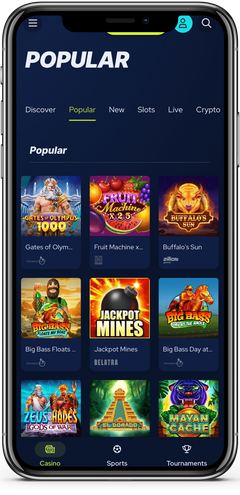
This is where mobile design quietly influences behavior. If favorites are easy to save, recently played titles are visible, and search works well, players are less likely to drift without purpose. Less friction often leads to better control.
Session control matters just as much as game choice. Adults of legal age in Canada generally benefit from using the tools inside the account, whether that means deposit limits, session reminders, cooling-off periods, or full self-exclusion when gambling stops feeling entertaining.
How players usually narrow a game list
Most players build a private filter over time. They learn whether they prefer faster rounds or slower ones, simple layouts or busy ones, lower-stakes entertainment or sharper swings. The helpful move is to notice those patterns early instead of repeating choices that do not fit the mood or budget.
For example, imagine a modest evening budget meeting a game that feels too intense after a few rounds. Usually that player either chases the feeling or leaves frustrated. A smarter move is to switch formats and treat the first choice as information, not as something that must be recovered.
Payments, cash-outs, and what to expect
Payments are where convenience turns into trust. A platform can look modern, but if the cashier feels unclear, players become cautious fast. The practical sequence is simple: choose a method, confirm the details, make sure the profile is complete, review any pending status, and then wait according to the method used.
Imagine a player requesting a withdrawal on Friday evening and expecting instant movement because the deposit felt fast. That expectation is common, but cash-outs often depend on review steps, method timing, and clean account details. Usually the least stressful mindset is to treat deposits as quick actions and withdrawals as actions that may need patience.
Payment task | What to check first | Why it matters |
|---|---|---|
Adding funds | Method details and balance | Reduces failed attempts |
Requesting a cash-out | Verified profile and matching info | Helps avoid delays |
Reviewing activity | Pending or completed status | Makes progress easier to follow |
Changing method | Budget and convenience | Supports better spending control |
Contacting support | Date, amount, and last action | Speeds up the conversation |
The method itself shapes comfort. Some players like one option because it feels fast. Others prefer a route that is easier to track later when reviewing expenses. There is no universal winner here. The practical choice is the one that supports both convenience and self-control.
Why method choice affects comfort
A payment method is not only a transfer tool. It affects the emotional tone of the session. If the process feels confusing, the player becomes tense before the game even starts. If the history is easy to review later, the whole experience feels more manageable.
Think of two players depositing the same amount. One can track the movement clearly afterward. The other can barely reconstruct what happened. Usually the second person feels more friction, even if the payment technically worked. Comfort often comes from transparency, not pure speed.
Support, limits, and responsible habits
The best time to think about support is before something goes wrong. Players often open help tools only when they are already irritated, and that makes every delay feel worse. It is smarter to know where support sits inside the account and what details will probably be needed.
Imagine not seeing a recent transaction and instantly assuming the worst. Usually a calmer method works better: check account history, confirm the last action, note the time, and then reach out with a clear explanation if the issue still looks unusual. Specific information helps far more than general frustration.
Responsible play tools deserve the same practical attitude. Limits, reminders, cooldowns, and self-exclusion options are not decorations. They are working controls for adults who want gambling to stay inside the entertainment category. If sessions get longer, deposits start to feel automatic, or play becomes a reaction to stress, those tools should move from "later" to "now."
For players in Canada, this matters because mobile access is always nearby. Convenience is useful, but it can also blur the line between a planned session and a reflex habit. Setting boundaries early is usually easier than repairing a habit later.
When a timeout is the right move
Sometimes the smartest decision is not choosing a different game. It is stepping away. If irritation rises, repeated deposits replace a plan, or the urge to recover losses starts driving the next move, a timeout is often the cleanest answer.
Picture a session that began as ten casual minutes and turned into an hour of impatient clicking. Usually the warning sign is not dramatic. It is a shift in mood: less enjoyment, more urgency. That is when a cooling-off tool, a hard limit, or a longer break can do real work.